Yes, high pressure washing can damage a roof, and it is one of the most common ways a cheap clean turns into an expensive repair. A hard jet strips the surface of concrete tiles, forces water under slates and loosens the mortar that holds ridge and verge tiles in place. A low-pressure soft wash is the safer way to clear moss and algae. This guide explains why, in terms that suit the roofs you see across Manchester.
What are Manchester roofs actually made of?
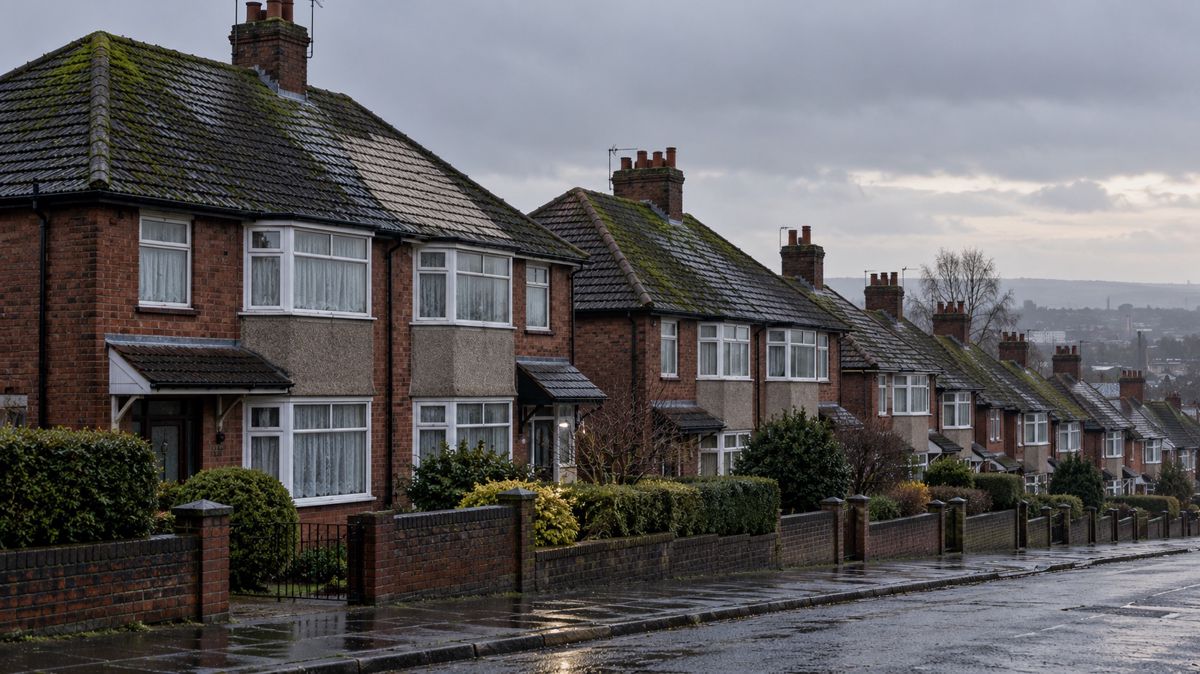
The answer shapes how a roof should be cleaned. Across the city and the suburbs you will mostly find three kinds of covering:
- Concrete tiles on many 1930s semis and post-war estates, often with a thin coloured surface layer.
- Natural slate on a large share of the Victorian terraces, laid in overlapping courses.
- Clay tiles on some older homes and on a number of extensions, with a more durable finish.
There are also flat roofs on garages, porches and rear extensions, and these use felt, rubber or similar coverings that a jet can tear or lift. Before anyone points a lance at your roof, they should know what it is made of.
How does a high pressure jet damage tiles and slates?
A pressure washer pushes a thin, fast stream of water that is meant for hard, flat ground. A roof is none of those things. It is angled, layered and weathered, and the layers are meant to shed water downhill, not to resist a jet fired upwards from below.
Concrete tiles lose their surface
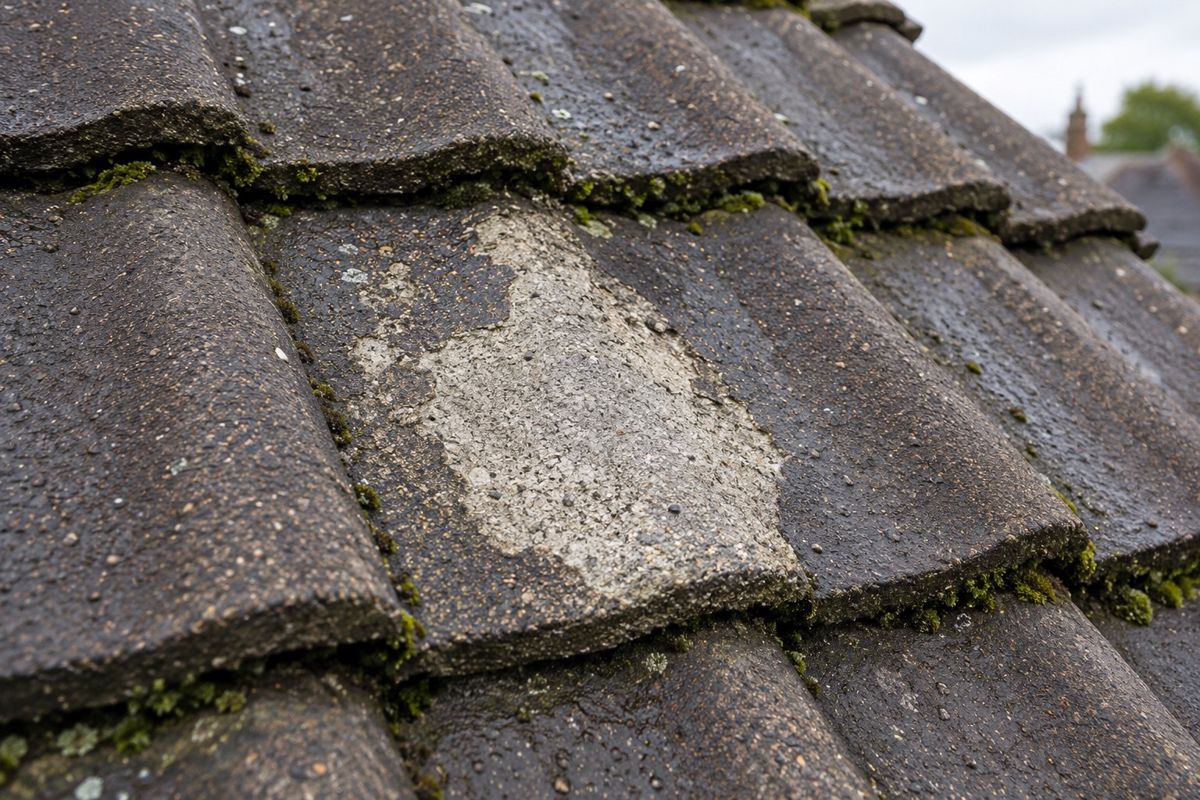
The colour on many concrete tiles sits in a thin top layer. A hard jet can wear that layer away, leaving a rough, pale and more porous tile. Rough tiles hold water and grow moss faster, so the roof can end up looking worse and turning green again sooner than before.
Water is forced under the covering
Slates and tiles overlap so that water runs over them. A strong jet aimed upslope can push water sideways and upwards past those overlaps and onto the underlay and the timbers below. You may not see a problem on the day, but damp can show up later as stains on the ceiling or in the loft.
Old slates crack and slip
Many Victorian slates are thin and brittle after a century or more of rain and frost. The nail holes are weak points. A jet that hits a slate sharply can crack it or knock it loose.
What damage might you not see straight away?
The worst result is often hidden. After a hard wash, a roof can look tidy from the street and still be harmed in ways that appear weeks or months later. Typical hidden problems include:
- Mortar between ridge tiles and at the verge washed or blasted out, leaving tiles loose.
- Tiles that have shifted a few millimetres, letting wind and rain in.
- Soaked insulation and underlay in the loft, which then smell damp.
- Hairline cracks in slates that open up in the next frost.
- Loose grit and tile granules washed into the gutters, blocking downpipes.
Damage like this undoes the point of the clean and can lead to repair bills. Keep that in mind when you choose a method.
Is soft washing really different?
Yes. The idea behind soft washing is that the cleaning solution kills the moss, lichen and algae, and the water only has to rinse the residue away. The pressure is kept low, far below a hard jet, and the solution does the work on growth that has rooted into the surface.
The result is not instant. Dead growth fades over the following weeks as the rain carries it off, so a soft-washed roof often looks better in a month than it did on the day. That patience is the price of not damaging the roof.
Soft washing is not magic. It does not repair cracked tiles, restore a worn coating or fix a failing underlay. What it does is remove the growth with the least harm to what is already there.
Should you remove moss at all, and when should you leave it?
Light moss on a sound roof is mostly a cosmetic issue. Thick moss is different. It holds water against the tiles, blocks the channels where water should run, and in freezing weather it can contribute to frost damage over time. It also sheds into gutters, which then overflow down your walls.
There are times to leave things alone:
- If tiles are already cracked, slipped or missing, get a roofer to repair them first.
- If the roof is very old and fragile, it may be safer to treat it with a gentle method or to leave it.
- If the covering is a cement sheet on an older garage or shed, it may contain asbestos. Do not jet wash or scrub it, and get it identified before anything is done.
A decent contractor will tell you when cleaning is not the right call.
Who should go on the roof, and what should you ask?
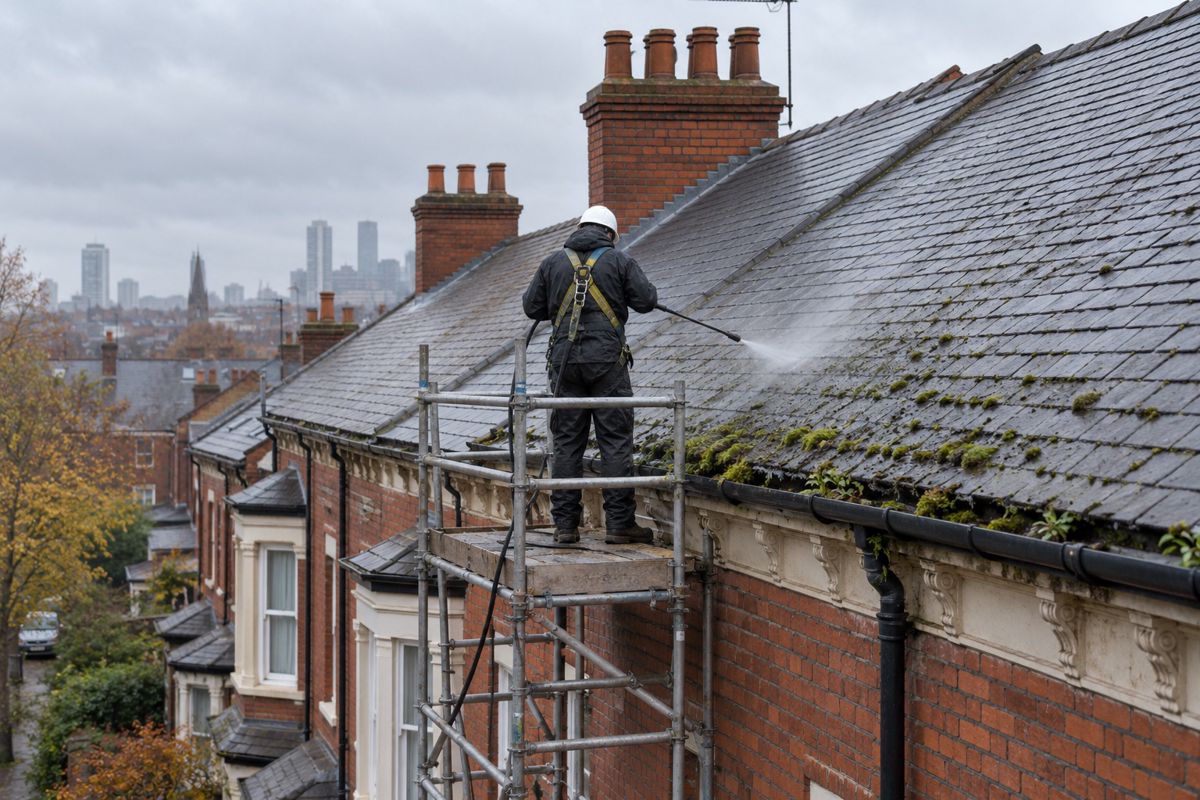
Roof work is work at height, so safety matters as much as method. Before you agree to anything, ask:
- How will the roof be reached, and how will the crew stay safe?
- Will the clean use a soft wash method or a high pressure jet?
- How will the loose moss and wash water be dealt with, so that gutters and drains are not blocked?
- Can you see the contractor's insurance and be given a written quote?
- What happens if a tile is found damaged during the work?
Ask to see a contractor's insurance cover as part of this. Be wary of anyone who offers to blast the whole roof clean in an hour. Quick, strong and cheap rarely goes with kind to a roof.
What should you do next?
Start by looking at your roof from the ground, or with a pair of binoculars, and noting the covering, the moss and any tiles that look out of line. Check the gutters for moss and grit. If you see slipped or broken tiles, call a roofer first.
If the roof is sound and just covered in growth, a gentle soft wash is the safer route. You can read how we approach it on our roof cleaning page, and tell us what you have so that we can recommend the right method and put a written quote together.